


Cookie Cutters for Every Occasion | Joann Fabric and Craft Stores
Our holiday cookie cutter collection brings classic baking traditions to your kitchen with shapes designed for every celebration. Each set includes winter favorites like snowflakes, gingerbread figures, and festive ornaments, plus spring and summer designs such as bunnies, flowers, and stars.
These cutters work beautifully beyond the kitchen, too. Crafters use them to shape polymer clay ornaments, cut fondant decorations, and create uniform pieces for kids' play dough projects. The stainless steel construction holds crisp edges through hundreds of uses, while the rolled top rim protects hands during repetitive cutting.
What makes these cutters versatile
Materials and Construction Quality
Stainless steel remains the gold standard for cookie cutters because it resists corrosion, tolerates repeated dishwasher cycles, and holds precise edges without bending. Our cutters use 18/8 stainless steel, which contains 18% chromium and 8% nickel for superior durability and a smooth, non-reactive surface.
The rolled top rim is a small detail that makes a big difference during marathon baking sessions. Unlike sharp raw edges, the rolled finish distributes pressure evenly across your palm, preventing fatigue and potential cuts. Tin-plated options offer similar performance at a lower price point, though they require hand-washing to preserve the protective coating. Powder-coated steel adds a layer of food-safe enamel that resists sticking and makes color-coding your collection simple.
Sizing and Depth Considerations
Cookie Size Planning
Most recipes yield consistent results when cutters measure between 2.5 and 3.5 inches across. Smaller cutters (1 to 2 inches) work well for bite-sized treats or when you need dozens of uniform pieces, but doughs with chunky mix-ins like chocolate chips may not cut cleanly at miniature scales. Jumbo cutters above 4 inches require thicker dough rolling and extended baking times to ensure centers cook through without overbrowning edges.
Dough Compatibility
Depth matters more than many bakers realize. Standard cutters at 0.75 inches suit rolled sugar cookie dough and shortbread. Thicker doughs like gingerbread or biscuit recipes need 1-inch or deeper cutters to prevent compression and allow proper rise during baking. Craft applications often call for shallow cutters (0.5 inches) to cleanly stamp patterns into polymer clay or fondant without excessive material waste.
Beyond Baking: Craft Applications
Cookie cutters earn their place in craft rooms just as readily as kitchens. Quilters trace fabric pieces for appliqué work, ensuring identical shapes across repeating patterns. Air-dry clay artists rely on cutters to produce uniform ornaments, gift tags, and jewelry components without hand-drawing each outline.
Kids’ activity leaders stock cookie cutters for play dough stations, sensory bins, and foam craft projects. The familiar shapes help young children develop fine motor skills while creating recognizable objects. Many homeschool families incorporate letter and number cutters into literacy lessons, turning abstract symbols into tactile learning tools. The same stainless steel construction that survives commercial kitchen use also withstands years of classroom handling, making cutters a rare crossover tool that serves diverse crafting needs with equal reliability.
Seasonal and Specialty Cookie Cutter Sets


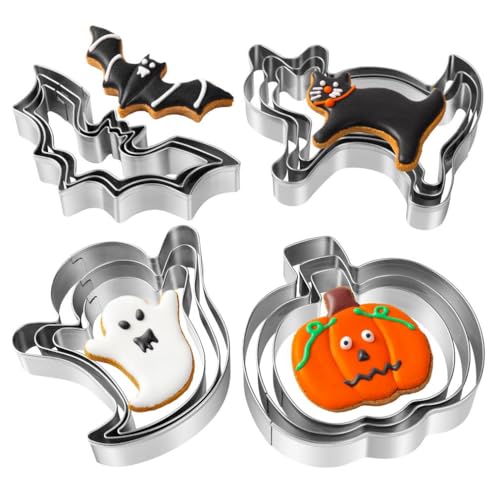


Rated 4.8 by verified buyers

Common Questions About Our Cookie Cutters
Yes, these cutters work beautifully with polymer clay, air-dry clay, fondant, craft foam, felt, and even soft playdough. The stainless steel and tin-plated options maintain their edges across different materials without warping.
Many crafters keep dedicated sets for non-food projects to avoid cross-contamination. The same precise cutting action that produces clean cookie edges also creates uniform craft components for jewelry making, scrapbooking, and kids' activities.
Dip the cutter's edge in flour before each press, tapping off excess to avoid floury buildup on your cookies. Chilling dough for 15 to 30 minutes before cutting firms the butter or shortening, which reduces sticking and helps shapes hold detail during transfer to baking sheets.
For especially sticky recipes like gingerbread, a light coating of non-stick spray on the cutter's interior works better than flour. Wipe the spray residue between batches to prevent buildup that attracts dough particles.
Stainless steel resists rust indefinitely, tolerates dishwasher cleaning, and maintains its finish without special care. Tin-plated steel costs less but requires hand-washing and thorough drying to preserve the protective tin coating that prevents the underlying steel from corroding.
Both materials cut equally well and hold their shapes under normal use. Choose stainless steel for convenience and longevity, or tin-plated options when budget matters more than maintenance ease.
A typical 3-inch cutter produces 24 to 30 cookies from a standard double batch of sugar cookie dough (about 3 cups flour). Smaller 2-inch cutters increase yield to 40 or more, while jumbo 5-inch shapes might only give you 8 to 12 cookies per batch.
Actual counts vary with dough thickness and how closely you nest shapes to minimize scrap. Re-rolling scraps once or twice adds 20% to 30% more cookies, though repeatedly worked dough can become tough.
Stainless steel and powder-coated cutters handle top-rack dishwasher cycles without damage. Place them upright in the utensil basket or lay flat on the top rack to prevent jostling that might cause dents.
Tin-plated cutters should be hand-washed in warm soapy water and dried immediately to protect the finish. Extended exposure to dishwasher heat and detergent can compromise the tin layer, leading to rust spots on the base metal.
Cookie cutter performance depends on dough consistency rather than ingredients. Gluten-free, vegan, and keto doughs all cut cleanly as long as they reach the right firmness through chilling or recipe adjustments.
If your specialty dough spreads significantly during baking, choose cutters with intricate details sparingly, since fine features may blur. Simple geometric shapes and bold silhouettes maintain definition across all dough types and dietary formulations.
Nested storage works well for sets with graduated sizes, allowing smaller cutters to stack inside larger ones. For mixed collections, drawer dividers or clear plastic bins keep shapes organized and prevent tangling of detailed edges.
Magnetic strips mounted inside cabinet doors hold metal cutters in plain view without occupying drawer space. This method also lets cutters air-dry thoroughly between uses, reducing moisture exposure that leads to rust on non-stainless varieties.